A New Homeowner Got the Keys on a Day of Heavy Rain and Found Water Pouring Under the House. The Seller Had Answered ‘No’ on Water Problems.
In a post that The Cool Down wrote up on Nov. 25, a new homeowner in California’s North Bay Area described what was waiting on the day the keys changed hands. It was raining hard, and there was water in the crawlspace. The seller, the owner says, had answered “no” when asked about water intrusion.
The Cool Down said the account comes from the homeowner’s own post, and the outlet did not report any response from the seller. The details below are the new owner’s version, as the outlet relayed it.
Keys in Hand, Rain Coming Down
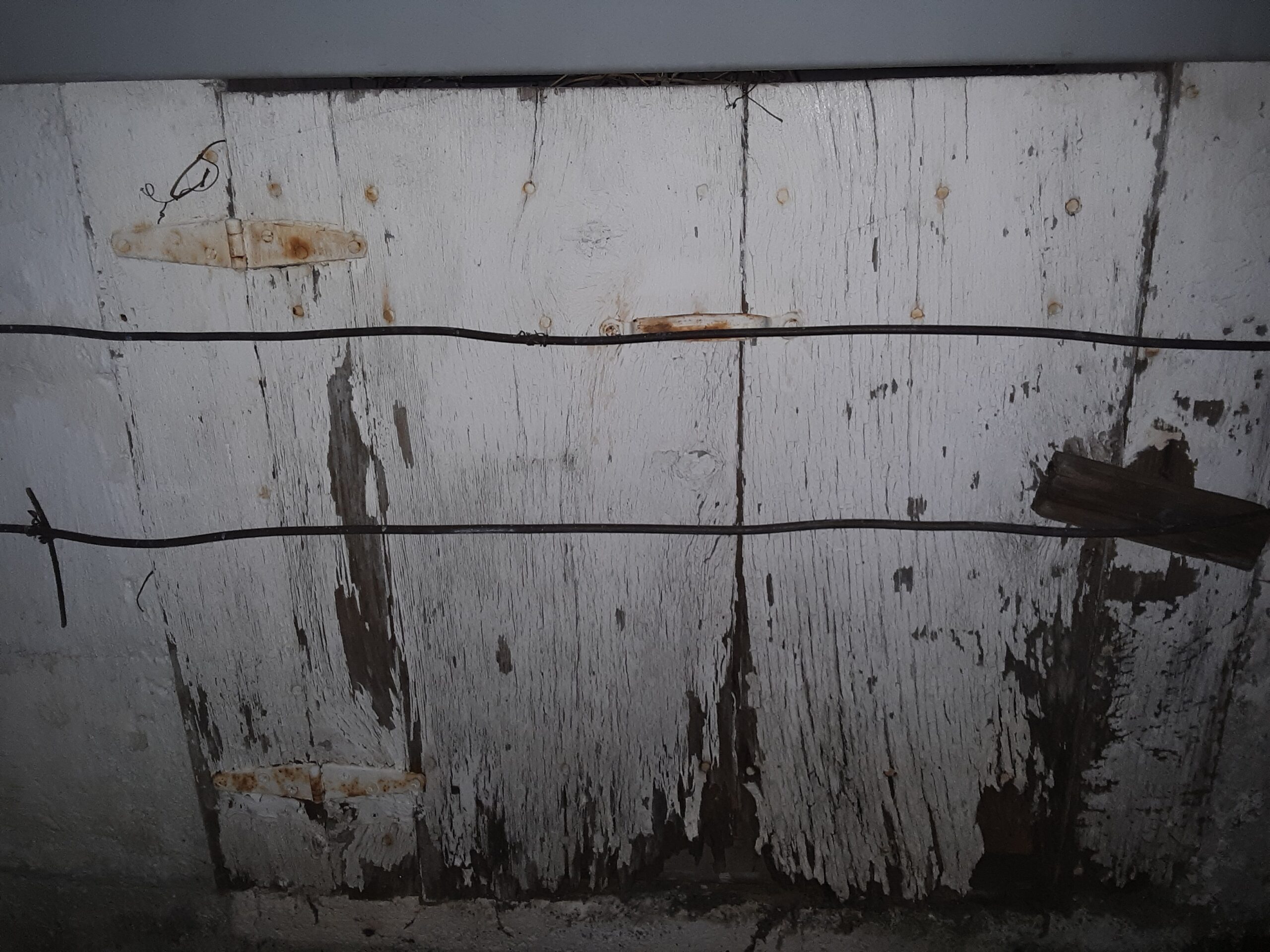
The new owner went to the house during the heavy rain to take measurements and opened a crawlspace that is reached through a closet. There was water inside.
Outside, one of the gutters had no downspout. Rain collected by the roof was pouring out right beside the foundation. The owner asked whether that missing piece could be what was letting water build up under the floor, and said the plan was to inspect the gutters and add downspouts.
The owner also asked others how much they had paid to fix a similar problem. The article does not give a cost for this house, so the size of the repair is still unknown.
What the Inspector Wrote and What the Seller Answered
An inspection was done as part of closing. According to the owner, it noted only loose or damaged insulation in the crawlspace. It did not flag water.
The owner said the seller had answered “NO” to a disclosure question about awareness of “water intrusion.” The owner added that a conversation with a realtor was under way, and that the home came with a home warranty plan that the owner hoped would cover the problem.
That answer is the center of the story, and it is also where the account is thinnest. The Cool Down does not say whether the seller knew about any water, whether the crawlspace had been wet before, or whether it was dry on the day of the inspection. A single rain does not show what the seller knew.
How a Missing Downspout Can Fill a Crawlspace
Building-science sources describe the mechanism the owner suspected. The Department of Energy’s building science education site says roof runoff can saturate the soil around a building and seep inside, which can lead to mold, rot and indoor air quality problems. It says downspouts should carry water to ground that slopes away from the house, beyond about 5 feet from the foundation.
The Environmental Protection Agency’s mold prevention course makes a related point. It says water seeping into crawl spaces or basements should be stopped quickly so mold does not grow, that “the key to mold prevention is moisture control,” and that wet areas should be dried within 48 hours.
Water that finds its way toward a house is a familiar fight for homeowners, as in the story of a neighbor who aimed downspouts at a garage, or that of a Brownsville man whose backyard goes under water after long rains.
The Cool Down adds that a wet crawlspace can mean mold and rot and, with them, expensive repairs. Commenters on the original post offered much the same view. One described finding extensive mold under their own home, and several urged the owner to put drainage ahead of cosmetic work. One said they had put off fixing a water problem for years out of fear of the bill, then felt far better once it was done.
Where a Buyer Stands When a Seller’s Answer Turns Out Wrong
California sellers fill out a Transfer Disclosure Statement. HomeLight’s guide to the form says it asks sellers to disclose known flooding, drainage or grading problems, and that the seller must complete it personally rather than an agent.
The word that matters is “known.” The legal question in a case like this is usually not whether water showed up after closing, but whether the seller knew about it beforehand and said otherwise.
The California Department of Real Estate’s reference booklet says sellers and agents “must make the disclosures necessary to avoid fraud, misrepresentation or deceit.” It says the seller certifies that the information on the form is true and correct to the best of the seller’s knowledge on the date it is signed, and that the form is not a warranty and does not replace inspections a buyer may want.
The booklet also points to a limit on the buyer’s side. It says nothing in the law relieves a buyer of the duty to use reasonable care by considering facts known or within reasonable observation. In this account, the water showed itself only when heavy rain arrived, after the inspection and the sale.
The same booklet describes a window of three days after in-person delivery, or five days by mail, to terminate a purchase when a disclosure form is delivered after an offer is signed. It does not describe what a buyer can do after the keys have changed hands. The booklet refers readers to the statutes and to an attorney for that, and the owner in this story has not said whether any claim will be pursued.
For now, the next steps as reported are small and practical: checking the gutters, adding downspouts, and talking with the realtor and the warranty plan. Whether the seller’s “no” holds up has not been tested.
This article was produced with AI assistance and edited for accuracy against the sources linked above.
Image: TradeCrawlspaces – CC BY-SA 4.0/Wikimedia Commons