Gladiolus Corms Need About Three Weeks of Curing Before Storage, and Calla Lily Rhizomes Should Never Be Washed, the Old Farmer’s Almanac Says
Robin Sweetser, writing for The Old Farmer’s Almanac on Oct. 14, 2026, gives two rules that run against common habit with summer-flowering bulbs. Gladiolus corms need about three weeks of curing in a warm, airy spot before they are put away, and calla lily rhizomes should not be washed. The same guide says gladiolus should not be washed before curing either.
Both plants are tender in cold regions, so a gardener who skips the steps risks a box of rotted corms by February.
Skipping the Hose for Gladiolus
The Almanac says gladiolus corms should be dried in the sun for one to two days after digging. The stems are cut back to a few inches and the soil is brushed off dry, not rinsed away. The guide rates gladiolus for Zone 8 and warmer, so most of the country lifts them each fall.
Gardening Know How, in an Oct. 25, 2026 piece by Mary Ellen Ellis, says to lift gladiolus when the foliage turns yellow or right after the first light frost, whichever comes first. A hand fork loosens the soil and the corms are pulled up by their leaf bases, with about 1 inch of stem left on each.
The advice to leave corms unwashed is not limited to one source. University of Wisconsin-Madison Extension says gladiolus corms are best left unwashed, and University of Minnesota Extension says the same, adding that they should be allowed to dry.
Why the Cure Takes About Three Weeks
After the first drying, the Almanac sets the cure at about three weeks at 60 to 70 degrees Fahrenheit, out of direct sun. Gardening Know How gives a slightly warmer and wider window of two to three weeks at 70 to 75 degrees in a well-ventilated room. Wisconsin Extension calls for about three weeks in a ventilated spot after a day or two in bright sun, and Minnesota Extension says gladiolus need longer curing than most bulbs, about three weeks, in a dry, well-ventilated place away from direct sun and drying winds.
Once cured, the old mother corm is snapped off the base of the new one and thrown away. The Almanac says to keep only cormels about the size of a quarter or larger, noting they take two to four years to reach flowering size. Gardening Know How adds that the loose papery tunics are discarded too, and that small cormels can be saved for propagation.
Where Gladiolus Spend the Winter
The Almanac stores clean corms dry at 40 to 45 degrees, and its author hangs them in mesh onion bags in the pantry. Gardening Know How gives the same 40 to 45 degree range, with breathable mesh bags or open cardboard cartons in a cool, dark room. Minnesota Extension suggests small labeled paper bags.
Minnesota Extension also recommends inspecting every bulb for insects and disease before it goes into storage, labeling each package, and checking periodically through the winter to remove anything damaged or rotting. It puts the digging window at six to eight weeks after bloom, when the leaves turn yellow, and warns against cutting or skinning the fleshy parts because wounds invite rot.
The nursery Hicks Nurseries says gladiolus are usually lifted in October and store well for two to three years before the corms decline and new ones should be bought.
Calla Lily Rhizomes Are Brushed, Not Washed
For calla lilies, the Almanac says not to wash the rhizomes. They dry for about a week in a warm spot, the old stems come off, and loose soil is brushed away. The rhizomes are then layered in slightly moist peat moss or vermiculite in a cardboard box or paper bag, spaced so they do not touch, and kept at 45 to 55 degrees. A light misting of the packing is the fix if they start to shrivel, and the box is checked for rot or dehydration through the winter. The guide rates callas for Zone 7.
The Almanac guide is not perfectly consistent on calla timing. Its general section describes about three weeks of curing for callas, while the calla entry itself says about one week. Other sources run longer. Gardening Know How cures callas for two weeks at 65 to 70 degrees and then stores them dark and dry at 50 to 55 degrees. Wisconsin Extension lists two to three weeks of drying, then storage at 45 to 55 degrees.
Wisconsin Extension also differs on washing. Its general advice is to rinse leftover soil off tender bulbs with a hose, ideally on a wire mesh screen, with gladiolus named as the exception. The Almanac’s calla advice is simply to brush the soil off and skip that step.
Cold Ground Is the Real Danger
Gardening Know How says large-flowered gladiolus hybrids rot in frozen ground in zones 7 and colder, and that colorful calla hybrids rot after repeated freeze and thaw cycles. That is the reason both are lifted and kept indoors in cold regions.
Gardeners already sorting begonias, caladiums and other storage crops can use the same labeling habit. The site’s piece on elephant ear tubers covers one more tender root that gets its own storage routine.
This article was produced with AI assistance and edited for accuracy against the sources linked above.
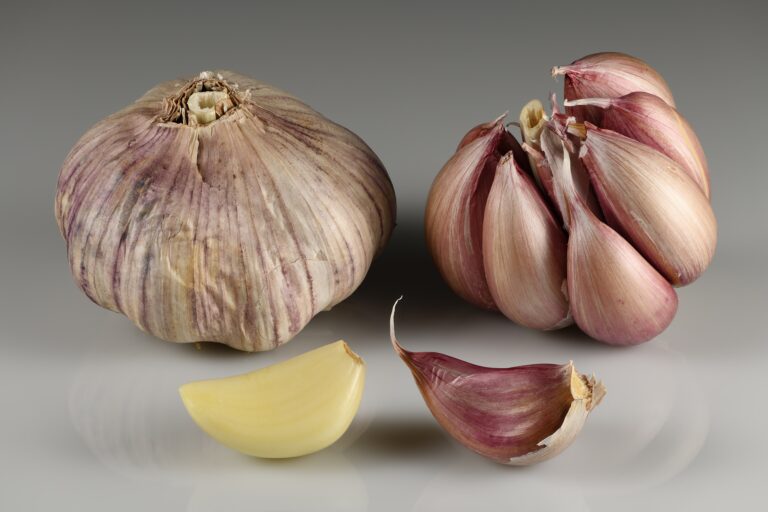
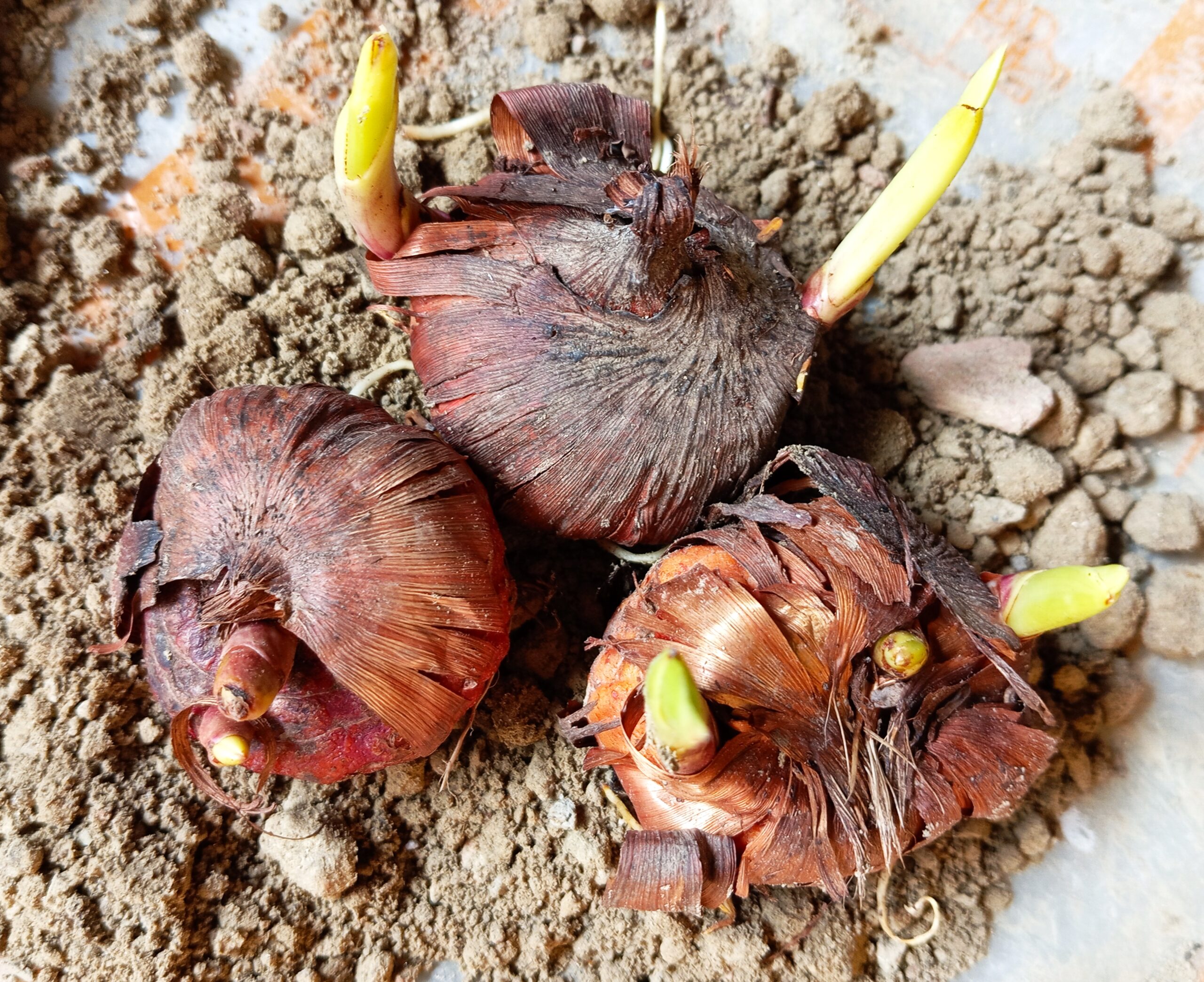
Image: “Gladiolus hybridus corms” by Salil Kumar Mukherjee, CC BY-SA 4.0, via Wikimedia Commons