A Neighbor Across the Street Complained Every Month About Two 3-by-15-Foot Pollinator Patches, and Police Gave the Homeowner 5 Days to Cut Them
“High grass.” That was the complaint written on a warning from the local police department, according to a homeowner whose story TwistedSifter published on Nov. 17. The notice told him to cut it within 5 days or possibly face a fine.
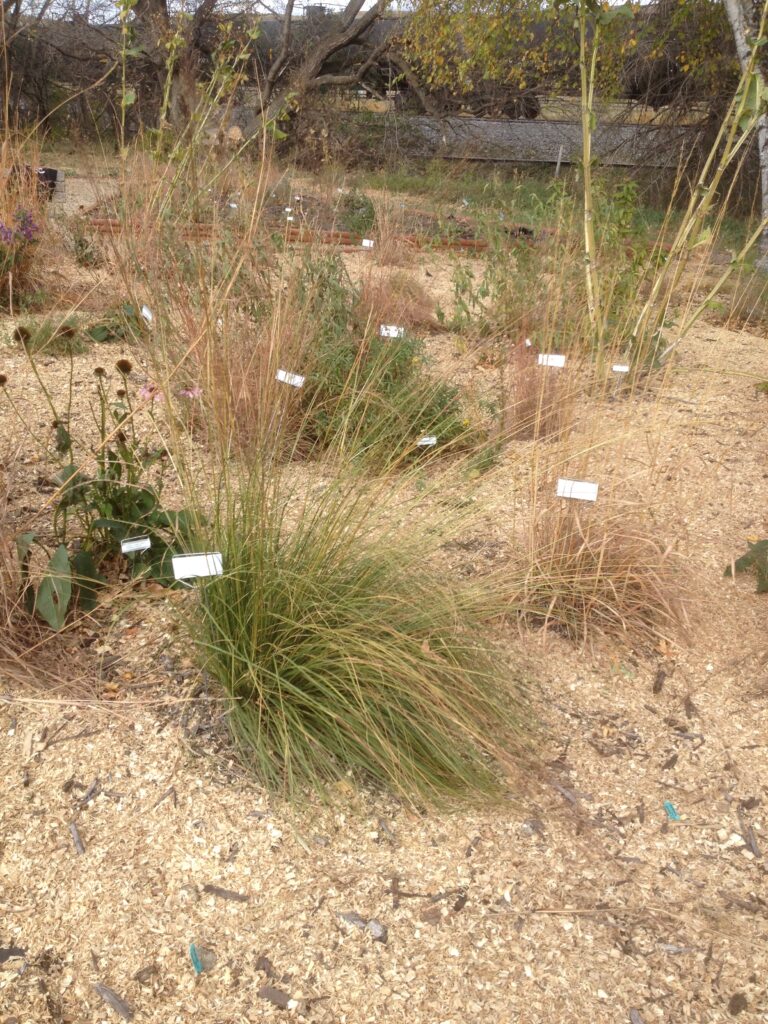
The “grass” in question was two pollinator patches, each 3 feet by 15 feet, that he says he lets grow on purpose inside his own property lines. When he called the ordinance enforcement officer to find out who had complained, he learned it was the man across the street, a neighbor he calls Richard, and that Richard files a complaint every month.
Two Small Strips Left to Grow on Purpose
The homeowner described the patches as deliberate, not neglected. They are narrow beds, 3 feet wide and 15 feet long, set inside his lot and left unmown so flowers and taller plants can come up. Everything else in the yard, by his account, is cut.
Patches like these are the kind of habitat federal agencies encourage homeowners to keep. The U.S. Forest Service advises home gardeners to “use a wide variety of plants that bloom from early spring into late fall,” planted in clumps, with species native to the region favored and pesticides eliminated “whenever possible.”
The agency also suggests planting host plants for caterpillars in spots where some leaf damage is acceptable, and leaving dead trees or limbs as nesting sites for native bees when they pose no hazard to people below.
A Neighbor Who Mows Twice a Week, and in Winter
According to the homeowner’s account, Richard is devoted to his own lawn. He mows twice a week in summer and keeps mowing in winter. The homeowner says that when his own grass has gone longer than a week, Richard has mowed it for him.
The two have lived across the street from each other for years, and the homeowner says the snide remarks about his yard come every year. The police warning was the first time the comments turned into something official, with a deadline and the threat of a fine attached.
The homeowner’s account does not say where he lives, and TwistedSifter did not name the town, the police department or the specific ordinance involved. Many municipalities set a maximum grass height and let residents report yards that exceed it, which is how a single persistent neighbor can generate a complaint every month.
The homeowner said the officer he spoke with told him not to worry about it. TwistedSifter reported that the officer recognized the patches as maintained pollinator plantings and seemed as tired of the monthly complaints as the homeowner was. The officer planned to come by the following week to take photos.
Why Pollinator Beds Keep Drawing Weed Complaints
The clash between tidy lawns and unmown plantings is a familiar one on this site. One East Ridge homeowner told his city council what losing his native garden and oak to weed enforcement felt like, and another homeowner was hit with a hefty city fine after letting her new pollinator garden grow.
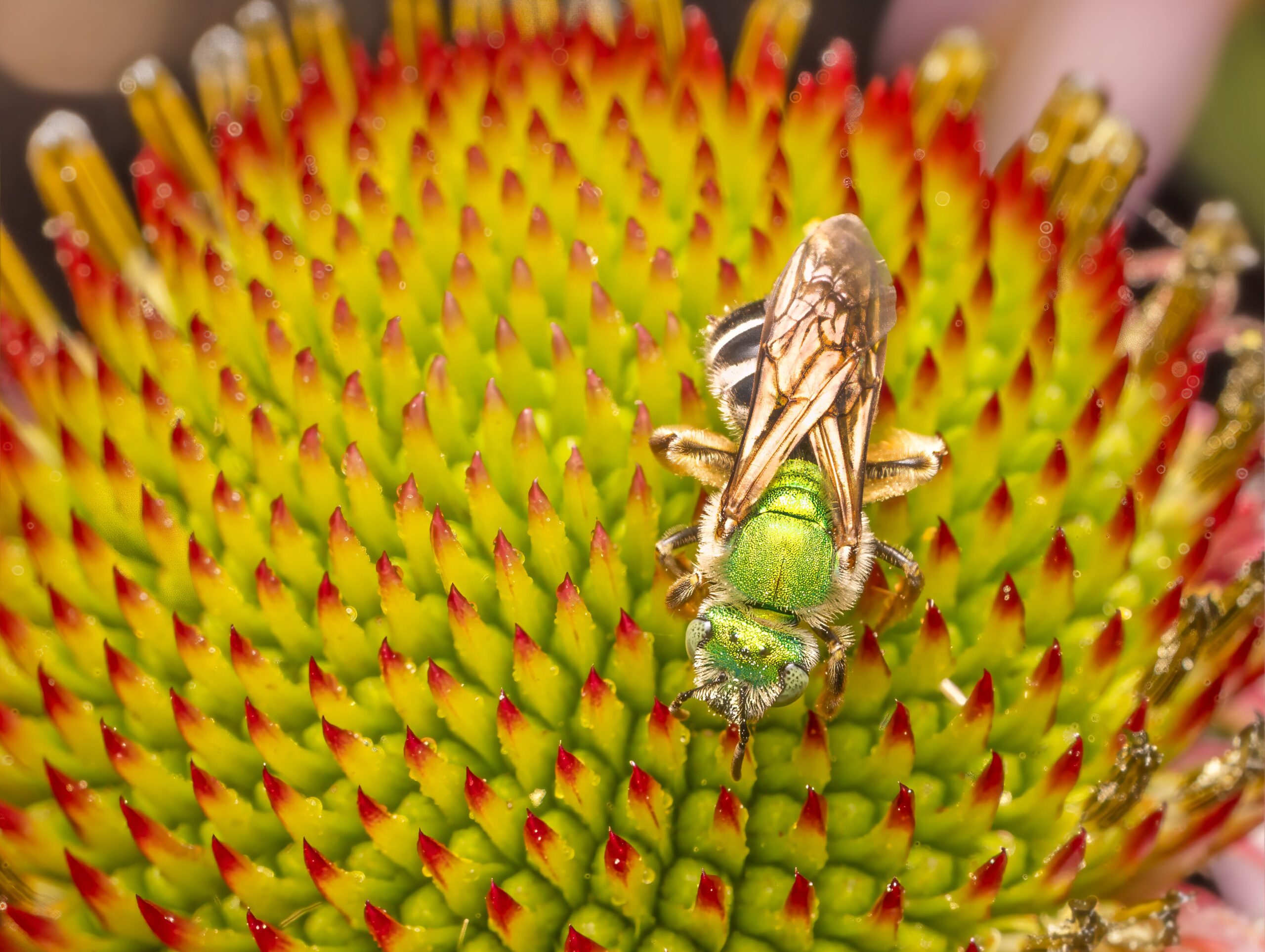
Much of what helps pollinators looks untidy to a neighbor who prizes a short, even lawn. The Xerces Society, a nonprofit focused on invertebrate conservation, notes that most butterflies and moths spend the winter locally, in leaf litter, as eggs, caterpillars, chrysalises or adults, and that “approximately 70 percent of all bee species nest in the ground, frequently in yards and garden beds.” Mowing or shredding that cover can destroy what is sheltering inside it.
The National Wildlife Federation runs a program that certifies yards, container gardens and even HOA common areas as wildlife habitat, on the principle that “all wildlife need food, water, cover, and places to raise their young.”
The Payback He Says He Is Proud Of
The homeowner did not stop at the phone call. He wrote that he did something he is “VERY proud of,” involving concentrated weed killer, a long-range water gun and a moving vehicle, and he closed by wishing Richard luck with his lawn. TwistedSifter’s write-up gives no further detail on what happened next, and the outlet did not report any response from Richard or any follow-up from the town.
If that combination meant herbicide landing on someone else’s lawn, it is not a harmless prank. The National Pesticide Information Center at Oregon State University says applications that do not follow the product label or local rules are potential violations, and that these “should be reported to the state pesticide regulatory agency,” which handles most pesticide matters in each state.
The story drew attention partly because the pollinator patches were so small. Two beds of 45 square feet each are a sliver of a typical suburban lot, yet they were enough to prompt a monthly complaint, a police notice and a five-day deadline.
For homeowners who want to keep similar plantings without trouble, the guidance from the Forest Service, the Xerces Society and the National Wildlife Federation points the same way: native plants, grouped in clearly defined beds, with fewer chemicals. Keeping beds compact and well inside the property line, as this homeowner did, makes the intent easier for an inspector to see.
That leaves the story where many neighbor disputes end up: two strips of flowers still standing, one lawn that may be in worse shape than its owner would like, and an ordinance officer who has heard from the same address every month.
This article was produced with AI assistance and edited for accuracy against the sources linked above.
Image: Patrick.lynch – CC BY 4.0/Wikimedia Commons