His Dog Wrecked the Shared Fence. He Put Up a New One While She Was Away, Then Left About 100 Pounds of Rotting, Nail-Filled Boards on Her Grass.
A homeowner came back from a few weeks away on business to a brand-new fence along her property line and a pile of the old one lying across her lawn. The neighbor who built it, whose dog had wrecked the original, told her the debris was hers to haul away.
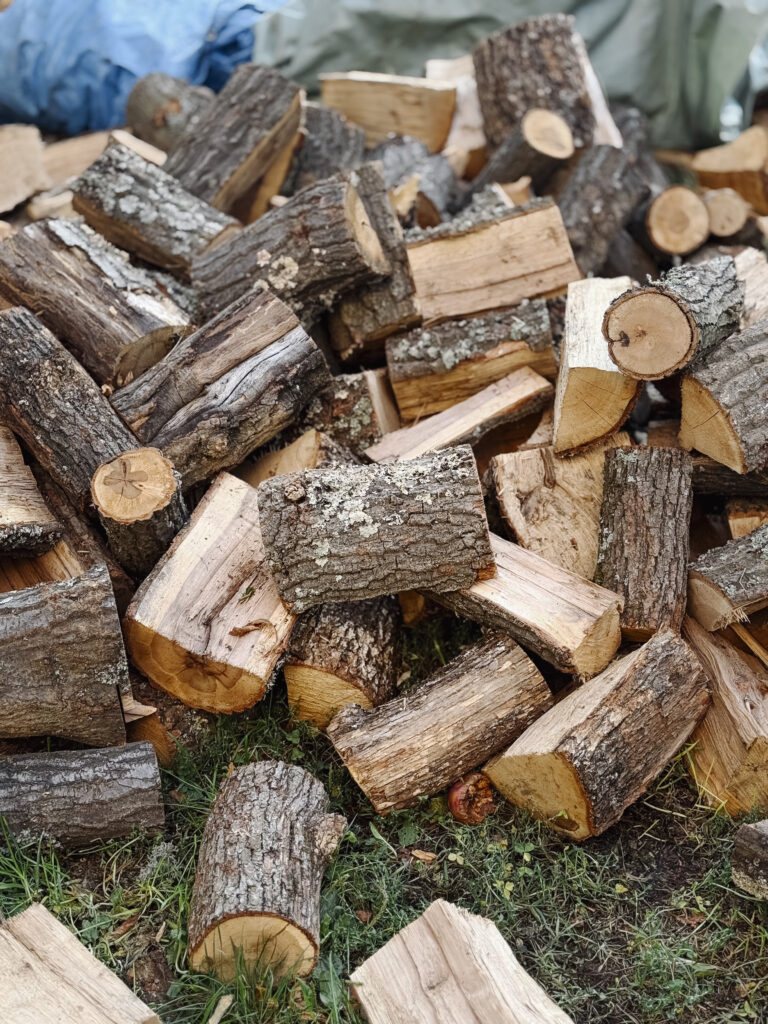
The story was written up by Jesse Kessenheimer of Cheezburger’s FAIL Blog and republished by Yahoo Life on Nov. 16. Kessenheimer described the leftovers as about 100 pounds of rotting, gnarled planks full of nails, including pieces about 10 feet long.
A favor before a business trip
The trouble started with the neighbor’s dog. According to the write-up, the dog damaged his side of the shared fence between the two yards, and he decided to replace it.
To do the job, he needed to get into her backyard. She agreed and told him to go ahead, then left town for several weeks for work. In her account, the neighbor never mentioned what he planned to do with the old boards before the crew started.
When she got home, the new fence was standing. The old one was scattered over her grass.
The phone call about the wood
She did not rush to complain. She planned to give him a few days to clear the scraps away on his own, Yahoo Life reported.
The pile was still there when her lawn service showed up. She texted the neighbor and offered to open her back gate so he could pick up the wood.
He called her instead. The fence was shared, he told her, and since he had paid for the installation and carried in all the new lumber, removing the old wood was her job. In Kessenheimer’s telling, the neighbor’s argument came down to this: she benefited from the new fence, so she should do her part.
She wrote that she would have happily helped if he had simply asked ahead of time. What bothered her was finding rusty, nail-studded, rotting boards dumped in her yard with no conversation first.
Where readers landed on the dog and the bill
Kessenheimer took the homeowner’s side. He wrote that the fence project was the neighbor’s alone, that she is not much of a home-project person, that she had never asked to take part in it and that plenty of people have neither the time nor a vehicle big enough to haul boards that long.
Several commenters quoted in the piece went further. One pointed out that the dog caused the damage, which made the neighbor’s claim that he had generously paid for a replacement beside the point. Another argued that this was not ordinary wear and tear, so the neighbor should cover the whole cost, and suggested she pay the lawn service around $50 to cart the wood off and be done with it.
One reader joked about firing the scraps back across the property line with a wood chipper. Others leaned toward simple solutions. A few suggested tossing the boards back over the new fence. One reader recalled a neighbor who once left cactus clippings by the fence line and said they threw the clippings straight back.
The articles do not report how the standoff ended, or whether the boards ever left her lawn. Neither the homeowner nor the neighbor is named in the write-ups.
What stands out is the order of events. She said yes to a favor, trusted him with access to her yard while she was gone and came back to a chore she never agreed to. The new fence was never the complaint. The handling of the old one was.
Why fence debris turns into a fight
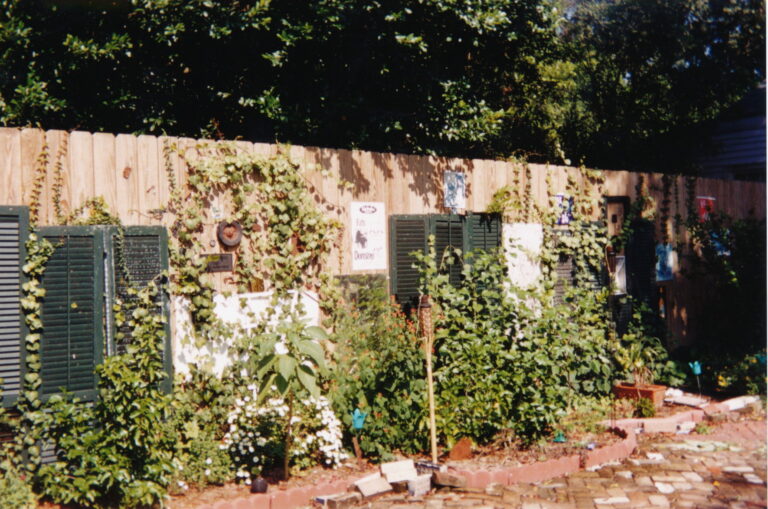
Shared fences are one of the most common sources of friction between neighbors on Lovely Garden Roots, from new neighbors asking a couple to pay half for a fence built before they moved in to a $2,000 demand to tie into an existing fence. Disputes often start over who pays and end over smaller things, like where the old panels go.
Old fence boards are not easy to get rid of. Clean scrap wood can be chipped into mulch or recycled into other products, according to the U.S. Environmental Protection Agency, but planks studded with rusty nails need to be pulled apart before they can go anywhere near a chipper. The agency’s guide to reusing building materials notes that salvaged lumber has highly versatile reuses, though rotted, nail-filled planks leave little worth saving.
The scale of the problem is large. The EPA estimates the country generated about 600 million tons of construction and demolition debris in 2018, with wood products among the materials counted, and roughly 144 million tons of it went to landfills. Only about 2.5 million tons were turned into compost or mulch.
The lawn service matters in this story, too. A crew pushing a mower across a yard with loose, nail-filled boards is a hazard for the equipment and the people running it.
The simplest fix would have been a conversation before the old fence came down: who hauls the debris, where it sits in the meantime and whether a dumpster or haul-away is part of the installer’s price.
For this homeowner, the new fence now stands between the two yards. The 10-foot reminder of the old one was left on her side of it.
This article was produced with AI assistance and edited for accuracy against the sources linked above.