Red Twig Dogwood Stems Are Brightest on New Growth, So Illinois Extension Says to Cut Out Older Stems Every Other Year, or Take Overgrown Shrubs Down to 3 to 4 Inches
Once the leaves drop in November, red twig dogwood becomes one of the brightest things left in a yard. Its bare stems glow red against snow and brown mulch until spring. That color does not last on its own, though. According to Illinois Extension, the color is brightest on new growth, so the shrub needs some of its older stems removed every other year to keep putting up fresh ones.
Illinois Extension adds a second option for a shrub that has gone a long time without attention: cut every stem back to 3 to 4 inches from the ground and let it start over. Other extension services describe the same basic idea with slightly different numbers, and together they give a clear picture of what to do now and what to save for late winter.
Why the Red Fades on Older Stems
Red twig dogwood is the common name gardeners use for two closely related shrubs, redosier dogwood (Cornus sericea) and Tatarian dogwood (Cornus alba). Alex X. Niemiera, a professor in Virginia Tech’s School of Plant and Environmental Sciences, writes in a Virginia Cooperative Extension fact sheet that the stems are greenish during the growing season and turn bright to dark red in winter. He notes that the red is most pronounced on young stems, which is why regular pruning is needed to keep new ones coming.
The University of Minnesota Extension puts an age on it. Its redosier dogwood profile, by Kathy Zuzek, Beth Berlin and Julie Weisenhorn, says bright color occurs on stems less than 3 years old. The Chicago Botanic Garden describes the same process from the other direction: as stems age, they darken and lose their bright red.
A shrub left alone for several years ends up as a thicket of thick, dull stems with only a little color at the tips. That is the point at which the harder cutback Illinois Extension describes becomes useful.
Two Ways to Keep the Color Coming
The gentler approach is renewal pruning. Minnesota Extension recommends removing the oldest third of the stems down to the base of the plant every year or two. Iowa State University’s Yard and Garden page on winter bark gives the same one-third figure and says the cuts are made near ground level. The Chicago Botanic Garden also recommends taking one-third of the oldest, largest stems.
Taking only a third at a time means the shrub keeps most of its size and color every winter while younger stems replace the old ones. Over a few seasons, the whole plant turns over without ever looking bare.
The heavier approach suits a neglected shrub. Illinois Extension says that if the plant has not been pruned in a while, all stems can be cut to 3 to 4 inches from the ground. Virginia Tech’s Niemiera describes a version of this as a routine method rather than a rescue: cutting all stems down to 9 inches above ground every three years. Both approaches trade a season of smaller size for a flush of bright young stems.
What to Do in November, and What to Save for Late Winter
The extension sources agree that the main structural pruning belongs at the end of winter, not now. Iowa State says to remove the oldest stems in late winter. Virginia Tech places the annual one-third cut in early spring, and the Chicago Botanic Garden says to prune before the plant breaks dormancy in the spring. Waiting has an obvious benefit: the shrub keeps its red stems on display through the coldest, grayest months, which is the reason most people plant it.
November is still a useful time to look closely at the plant. With the leaves gone, it is easy to see which stems are thick and dull and which are young and bright. Marking the oldest ones now, with a twist of string or a strip of tape, makes the late-winter job quicker.
A few stems can also come off now for decorating. Illinois Extension lists red twig dogwood alongside cones, berries and evergreen boughs as material for holiday designs, and the UNH Extension Yard and Garden Infoline includes dogwood branches among the extras that work in wreaths and swags. Taking those stems from the oldest part of the shrub gives the arrangement its color and gets a head start on the renewal pruning.
Sizes and Varieties to Know
Plant size matters when deciding how hard to cut. Minnesota Extension says redosier dogwood generally reaches 2 to 10 feet tall and wide, depending on the cultivar. Its list runs from the compact ‘Kelseyi’ at about 3 by 3 feet to ‘Cardinal’ at about 10 by 10 feet, with ‘Isanti’ at 6 by 10 feet and ‘Alleman’s Compact’ at 5 by 5.
Not every variety is red. Iowa State notes that ‘Flaviramea’ has yellow stems and grows 5 to 6 feet tall, while ‘Cardinal’ has bright, cherry red stems. The same page points out that ‘Flame’ willow and coral bark willow are grown for similar winter color and are cut back even harder, to near ground level every late winter.
Minnesota Extension also flags suckers. Redosier dogwood spreads, and suckers may need to be removed to keep the plant at the width the space allows. That job can be folded into the same late-winter session as the one-third cut.
A Short Checklist for the Season
For a shrub that has been pruned regularly, the plan is simple: enjoy the color through winter, then remove about a third of the oldest stems at the base before growth starts in spring, as Minnesota, Iowa State and the Chicago Botanic Garden all recommend.
For a shrub that has been ignored for years, Illinois Extension’s option is to cut every stem to 3 to 4 inches and let it regrow. The red that comes back will be on young stems, which is exactly where the sources say it is brightest.
Gardeners planning other shrub work for the off-season can compare this with how bigleaf and oakleaf hydrangeas are pruned, which follows very different timing. Stems taken out in late winter can also be put to use as hardwood cuttings stored over winter, and the rest of the bed can stay as it is, since extension experts say perennial stems left standing help birds and insects until spring.
This article was produced with AI assistance and edited for accuracy against the sources linked above.
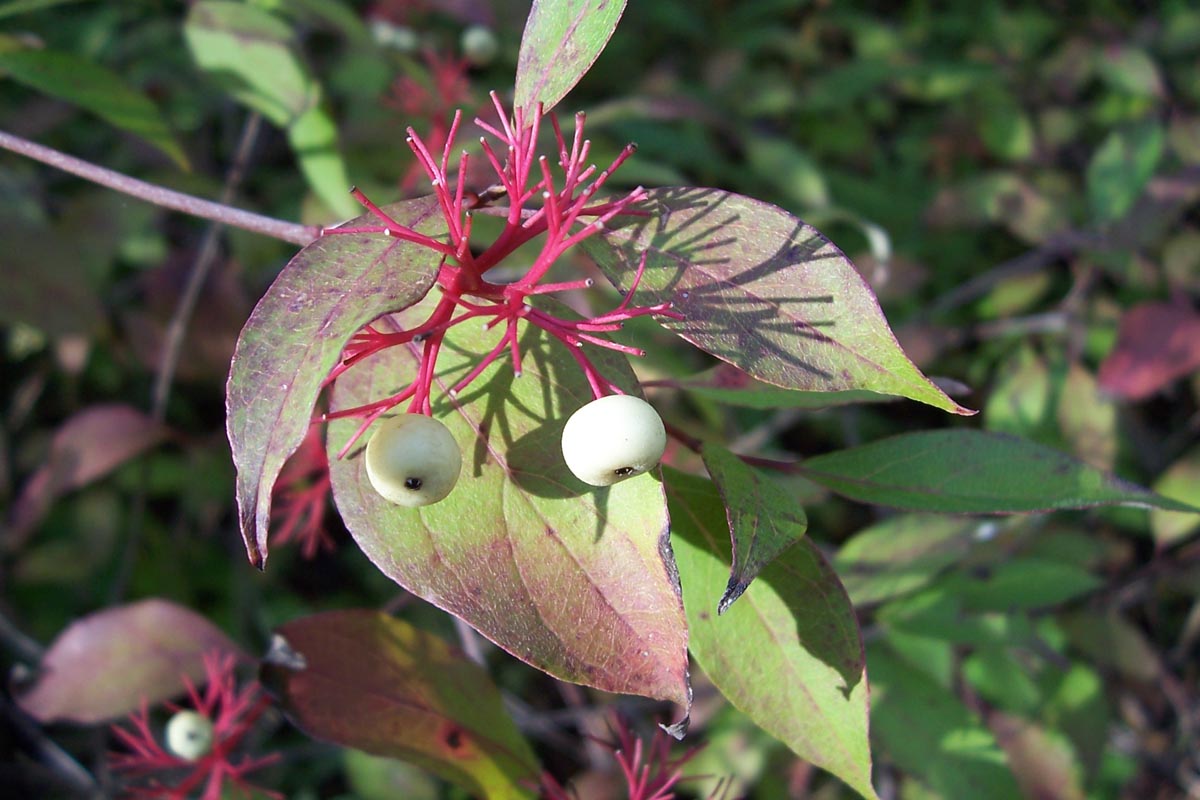
Image: Sulfur at en.wikipedia – CC BY-SA 3.0/Wikimedia Commons