Nature Hills Nursery’s Justin Farrell Calls Cutting Everything to the Ground in November the Biggest Mistake, and Says to Wait for a Few Hard Frosts First
November cleanup has a trap in it. Justin Farrell of Nature Hills Nursery told The Pioneer Woman that the biggest mistake he sees is cutting everything to the ground just because the beds look tired. His advice, in a Nov. 6, 2026 article by Lilly Blomquist, is to wait for a few hard frosts first and to cut only three groups of plants this month.
Most other plants, Farrell says, are better left alone until late winter or early spring, just before new growth appears.
Why an early cut backfires
Farrell warns that cuts made as plants go dormant are more likely to dry out and die back. He also notes that decay fungi release spores in fall, so fresh wounds on healthy plants give them a place to land.
The timing rule that follows is simple. The article says not to prune just because the calendar says November, and to wait until plants die back naturally after a few hard frosts. The exception is diseased plants, which need attention sooner.
That matches what extension horticulturists say about healthy perennials. Purdue’s Rosie Lerner writes in Indiana Yard and Garden that leaving tops over winter is generally fine and often preferable, since seed heads feed birds, stems shelter butterflies, and debris helps trap leaves and snow for insulation. Otherwise, she suggests waiting until after several hard frosts and cutting tops to about two inches above the soil.
The three groups that can go this month
The first group is spent annuals such as zinnias and marigolds. Farrell says to cut stems down to the soil once they turn brown and limp, which keeps beds tidy and reduces disease. The second is finished vegetable plants: after harvest, once plants die back, he says to cut stems at soil level.
The third group is diseased perennials. Farrell lists powdery mildew, rotting stems, rust-like bumps and dark leaf spots as signs to cut the affected plants back. For these he suggests leaving a short stub above the soil so the plant can be found again in spring.
University of Maryland Extension’s November task list points the other way on one detail: it recommends leaving leaf litter and some plant stalks for overwintering bees, moth cocoons, syrphid flies and other beneficial insects. Between the two, the common ground is to remove what is sick and leave what is healthy.
What goes in the compost and what goes in the trash
Disposal is where this advice gets specific. Healthy clippings go in the compost, Farrell says, and diseased material goes in the trash so problems do not carry into spring.
Kansas State University’s Ward Upham describes the same logic in a garden sanitation article: iris leaf spot fungus and iris borer eggs overwinter on old, dead leaves, and peony leaf blotch also survives winter, so removing debris reduces next spring’s pests and disease. Iowa State’s Yard and Garden team makes a similar point about phlox, advising gardeners to cut back and remove diseased debris in the fall to reduce the fungus that overwinters.
Clean blades and the right height
The Pioneer Woman piece adds two habits. Pruners should be sharp, and the blades should be cleaned before cutting healthy plants if they were just used on diseased growth. Annuals and vegetable plants get cut close to the soil, while diseased perennials keep that short stub.
Exceptions and extras from extension lists
Lerner adds a few plant-specific notes: peonies and rudbeckia with blackened foliage should definitely be cut back in fall, and marginally hardy plants such as garden mums often survive better when cut in early spring. The Maryland list covers edibles that are not in the Pioneer Woman piece: after the first frost, asparagus is cut to 2-inch stubs and given 4 to 6 inches of mulch, and bare vegetable beds are covered with leaves or mulch, or planted with a cover crop. It also recommends mulching perennials after the first hard freeze to reduce frost heaving.
Together, the advice reads as a short sorting exercise for a November afternoon. Brown, limp annuals and finished tomato or squash vines come out. Diseased perennials get cut and bagged. Everything else stays standing until the weather settles, and the spring cleanup begins when new growth is about to appear.
This article was produced with AI assistance and edited for accuracy against the sources linked above.
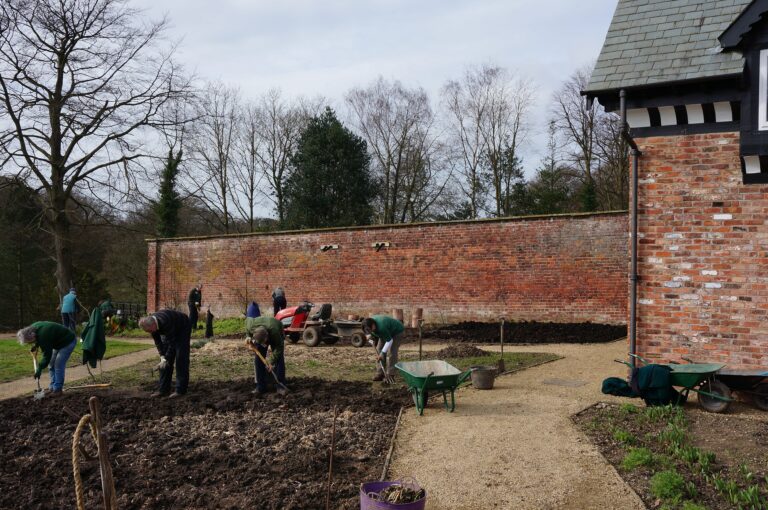
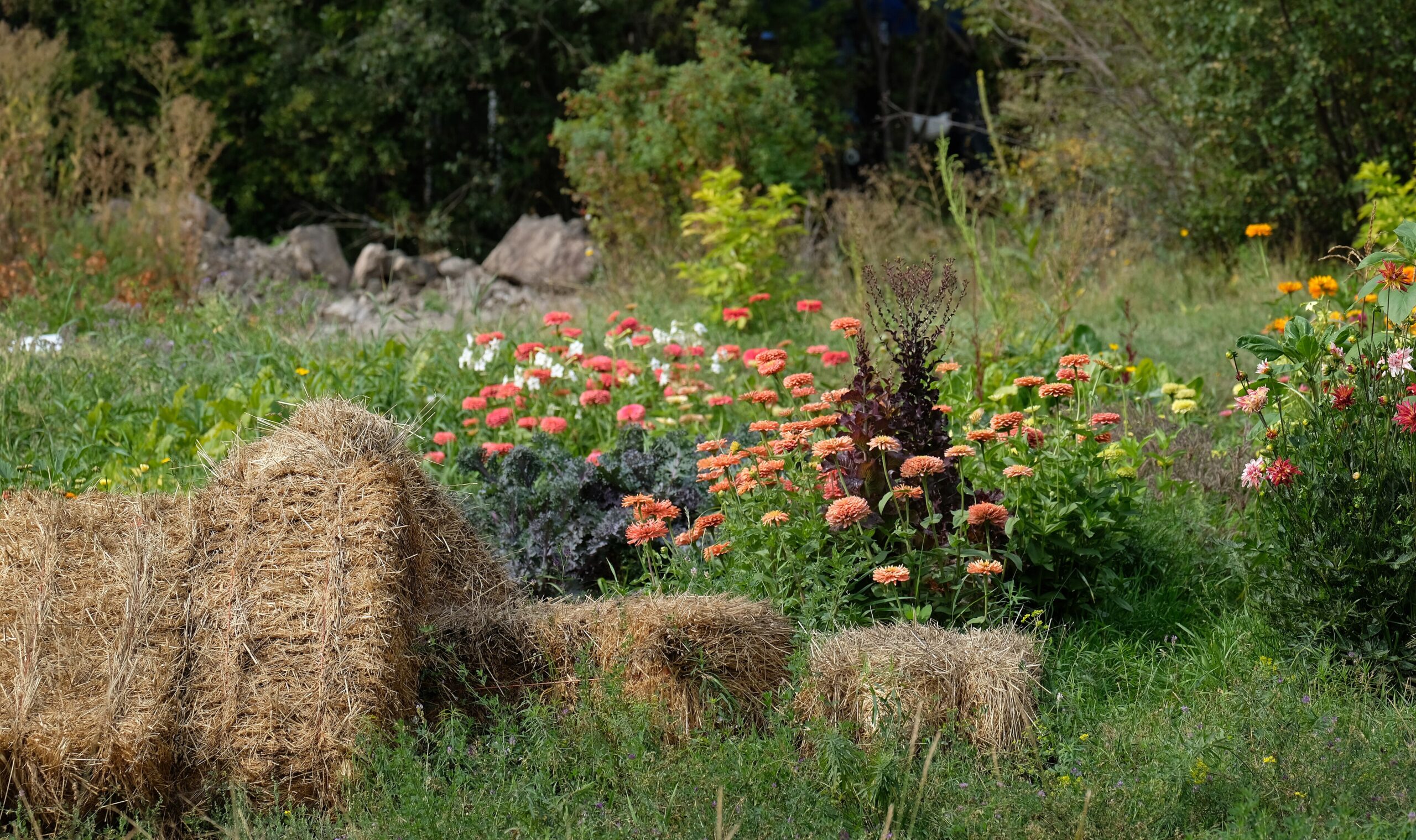
Image: “A country garden in autumn” by marneejill from Canada, licensed CC BY-SA 2.0, via Wikimedia Commons.