‘They Could Move It and It Could Die Next Year’: York Will Move Its 70-Year-Old Village Honey Locust to Town Hall Instead of Cutting It Down
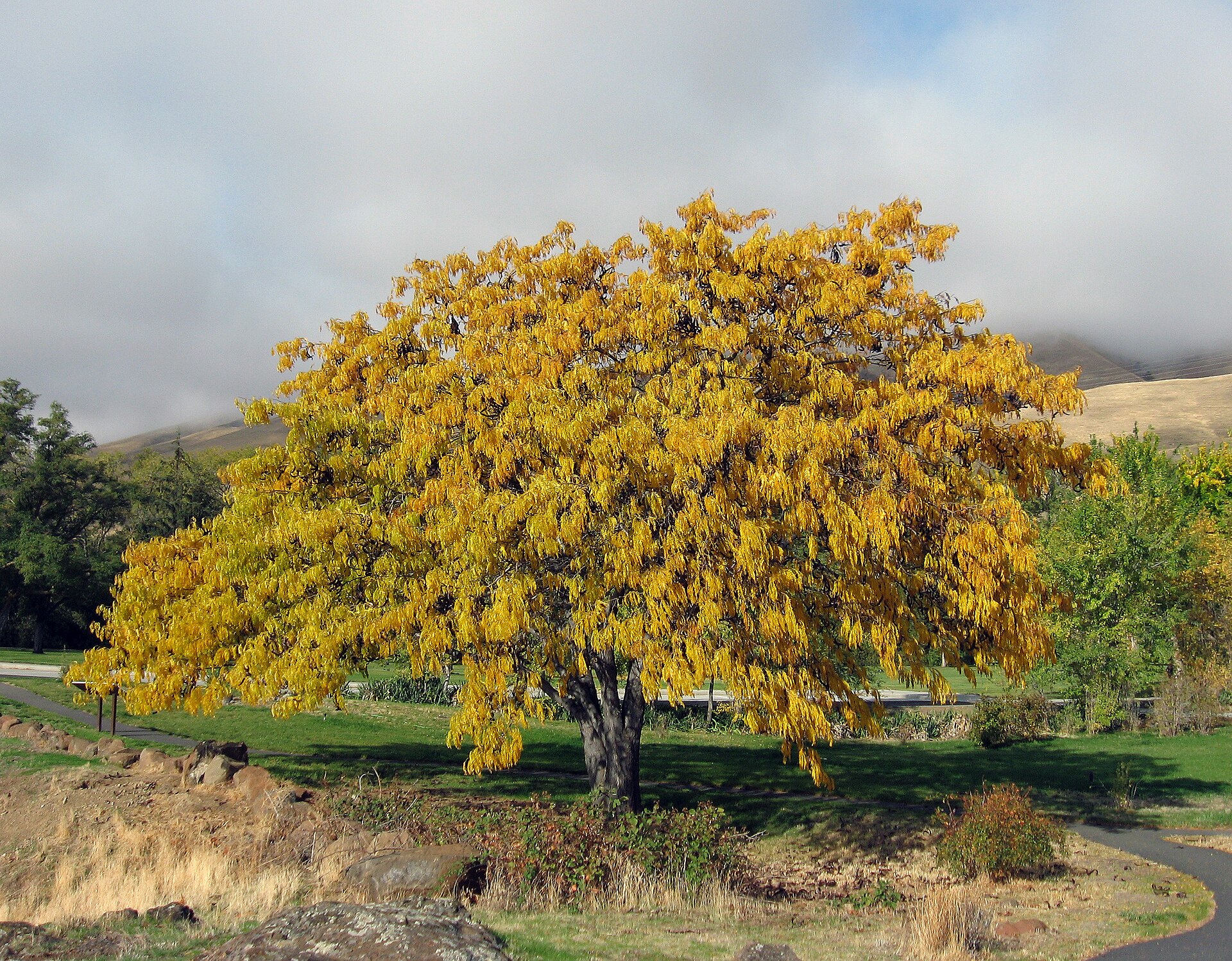
The honey locust on the traffic island in York Village is about 70 years old, tall, and by most accounts near the end of its life. Residents want it to keep living anyway. Instead of watching it come down for the village revitalization project, they have found a company that can dig it up and move it to a spot next to Town Hall, and they are raising the money to pay for it.
The plan came together on Monday, Nov. 16, the Portland Press Herald reported. Town engineering director Dean Lessard, who had given residents until Nov. 17 to line up a contractor, pushed the deadline back two days after meeting with the tree movers.
A Court Fight, Then a Compromise
The tree’s reprieve started in court. On Nov. 2, Justice James Martemucci of the Maine courts granted a brief injunction that kept town crews away from the tree while the case was argued. He later denied a temporary restraining order, in part because the village project is tied to state and federal funding.
An injunction is a court order to do or stop doing something, and a short one like this buys time rather than deciding the outcome. In York, the time turned out to be enough for residents to come up with a different answer.
Four Tree Movers, One Yes
Resident Susan Gillis, who led the effort, contacted four New England tree services. Only one, Dale Tree Movers and Tree Farm of Massachusetts, said it could do the job on the town’s timeline.
Crews need two days to bring in the right machinery and prepare the tree. The honey locust is expected to be replanted next to Town Hall by Wednesday, Nov. 18.
Lessard told the Press Herald he has been working with the group to make the move happen and called it a win-win for both sides if it works. He was also blunt about the risk. “They could move it and it could die next year,” he said, adding that the tree is mostly at the end of its life and that there is no certainty it will survive.
A Short-Lived Species, a Long Local History
His caution fits the biology. The U.S. Forest Service’s Silvics of North America describes honeylocust as “relatively short lived,” reaching about 125 years. The species is tough in other ways: it is very resistant to drought, tolerates salt spray near the coast, and thornless forms have been planted widely as street and shade trees in American towns.
Moving a mature tree is a gamble at any age. Roots are cut, the tree is lifted and set in new soil, and it can take years to know whether it has recovered. A tree already in decline has less in reserve.
Paying for It Door to Door
The relocation is expected to cost $50,000 to $80,000. Select Board members have said the town cannot afford it, so residents are paying for it themselves. A GoFundMe had raised about $4,500 since Thursday, and Gillis has been going door to door collecting pledges. A couple hundred residents signed a petition to save the tree, and no firm funding deadline has been set.
Gillis said the campaign has given people a sense of control over a project they felt they had no say in. “It’s an empowerment thing,” she said.
The fight has played out over weeks on this site, starting when a judge temporarily stopped York from cutting down the tree. Voters approved the larger York Village revitalization project about 10 years ago, and the traffic island the honey locust stands on is part of it.
If the move works, the landmark will stand beside Town Hall. If it does not, residents will at least have tried.
This article was produced with AI assistance and edited for accuracy against the sources linked above.
Image: Kevmin – CC BY-SA 3.0/Wikimedia Commons