A California Lawyer Was Hit With $15,200 in HOA Fines After Remodeling Her Condo. She Fought Them and Won.
The letter came after Olivia Horbowy moved into the condo she had remodeled, and the number on it was $15,200. The Los Angeles lawyer had bought the unit in a homeowners association community in 2024, and the association was now fining her over the work. Horbowy contested the fines and won, Moneywise reported in a story first told to Business Insider.
Her fight landed in the same stretch of time that California rewrote the rules on what an HOA can charge for a violation, with most fines now capped at $100.
A Remodel Before Moving In
Horbowy started renovating the unit before she lived there. According to Moneywise, she moved in during early 2025 after the remodel, and the association’s letter with $15,200 in fines followed.
Moneywise did not list each violation the association cited or break down how the total reached $15,200. What it did report is the outcome: Horbowy pushed back, and the fines did not stand.
Pushing Back on $15,200 and Winning
Horbowy, a lawyer by training, contested the fines rather than paying them, and she won, Moneywise reported. Her win came against a five-figure total tied to work on her own unit.
The friction did not end with the money. After she decided to run for the HOA board, a board member sent her an insulting email and then left the association, according to the same report.
Readers who follow these fights may remember the homeowner fined $150 over a borrowed trailer while the HOA president’s boat sat in his own driveway, another case where an owner questioned how evenly the rules were being applied.
California’s $100 Cap on Most Fines
In 2025, California lawmakers put a ceiling on HOA fines. The cap was folded into Assembly Bill 130, a broad housing bill, and it limits most fines to $100 per violation, CalMatters reported. The language came from Senate Bill 681 by Sen. Aisha Wahab and was added to AB 130 just days before the governor signed it. The cap took effect July 1, 2025.
The law also bars associations from stacking late fees or interest on top of a fine, and it gives residents more room to have charges waived after the fact, CalMatters said. Rules that affect public health or safety are the exception. In more formal cases, CalMatters noted, boards already had to hold a hearing where residents could explain themselves before a fine was imposed.
The scale is large. More than 50,000 HOAs operate in California and govern about 65% of the state’s homeowners, according to CalMatters, and Californians paid a median of $278 a month in HOA fees. Nationwide, 67% of new single-family homes built in 2024 were in HOA communities, up from 46% in 2009, the outlet reported, citing the Census Bureau.
Moneywise noted that Florida, Nevada and North Carolina have adopted similar limits on association fines.
The Steps an HOA Board Has to Follow
The cap now sits in California Civil Code Section 5850, which requires an association that fines owners to adopt a written penalty schedule and include it in the annual policy statement sent to members. A fine can be no more than the lesser of the amount in that schedule or $100 per violation.
A board can go above $100 only when a violation could have an adverse health or safety impact on the common area or on another member’s property, and only after it makes a written finding describing that impact at an open board meeting. The same section bars late fees and interest on penalties.
Before any fine takes effect, Civil Code Section 5855 requires the board to give the owner written notice at least 10 days before a hearing. The notice has to state the date, time and place of the meeting, the alleged violation, and the owner’s right to attend and speak. An owner can fix the problem before the meeting, and if the board still imposes a penalty, it must send its written decision within 14 days. Discipline that skips those steps is not effective against the owner, the statute says.
The Davis-Stirling legal resource on HOA fines notes that each separate violation can still carry its own $100 fine, and repeated violations can be fined separately at a single hearing. Owners who disagree with a fine can also turn to the association’s internal dispute resolution process.
Garden and yard disputes run through the same machinery. An Acworth, Georgia, family’s front-yard tomato and pepper troughs drew $25-a-day fines that climbed toward $750, a reminder of how quickly daily penalties can add up.
Why the Money Matters to Owners
Fines are only one piece of what HOA owners can owe. Jonathan Gropper, founder of TrueHOA, told Moneywise that dues increases and special assessments can wear down homeowner equity and become a debt-like burden that can lead to foreclosure.
Gropper also said owners often cannot verify whether a charge is legitimate, because the documents or votes behind it are not accessible or accurate. He noted that HOA disputes can take nearly two years in court, and that even a win may not undo the costs.
Stephen Keighery told Moneywise that retirees may struggle to cover a sudden special assessment even when they own their homes outright.
Other professionals quoted by Moneywise stressed paper trails. Roger Diefendorf said asking an HOA to specify the alleged violation and provide evidence creates a record, and Daniel Sasson noted that association members in Florida have a right to inspect association records. The outlet also reported that owners are advised to consult an attorney before withholding payment, since unpaid assessments can become liens.
Against that backdrop, Horbowy’s case stands out for its ending. A new owner received a $15,200 bill tied to the remodel of her own unit, challenged it, and came out ahead. Disputes over smaller things can turn tense too, as with the homeowner whose native flower bed drew a notice taped to her door from a board member.
This article was produced with AI assistance and edited for accuracy against the sources linked above.
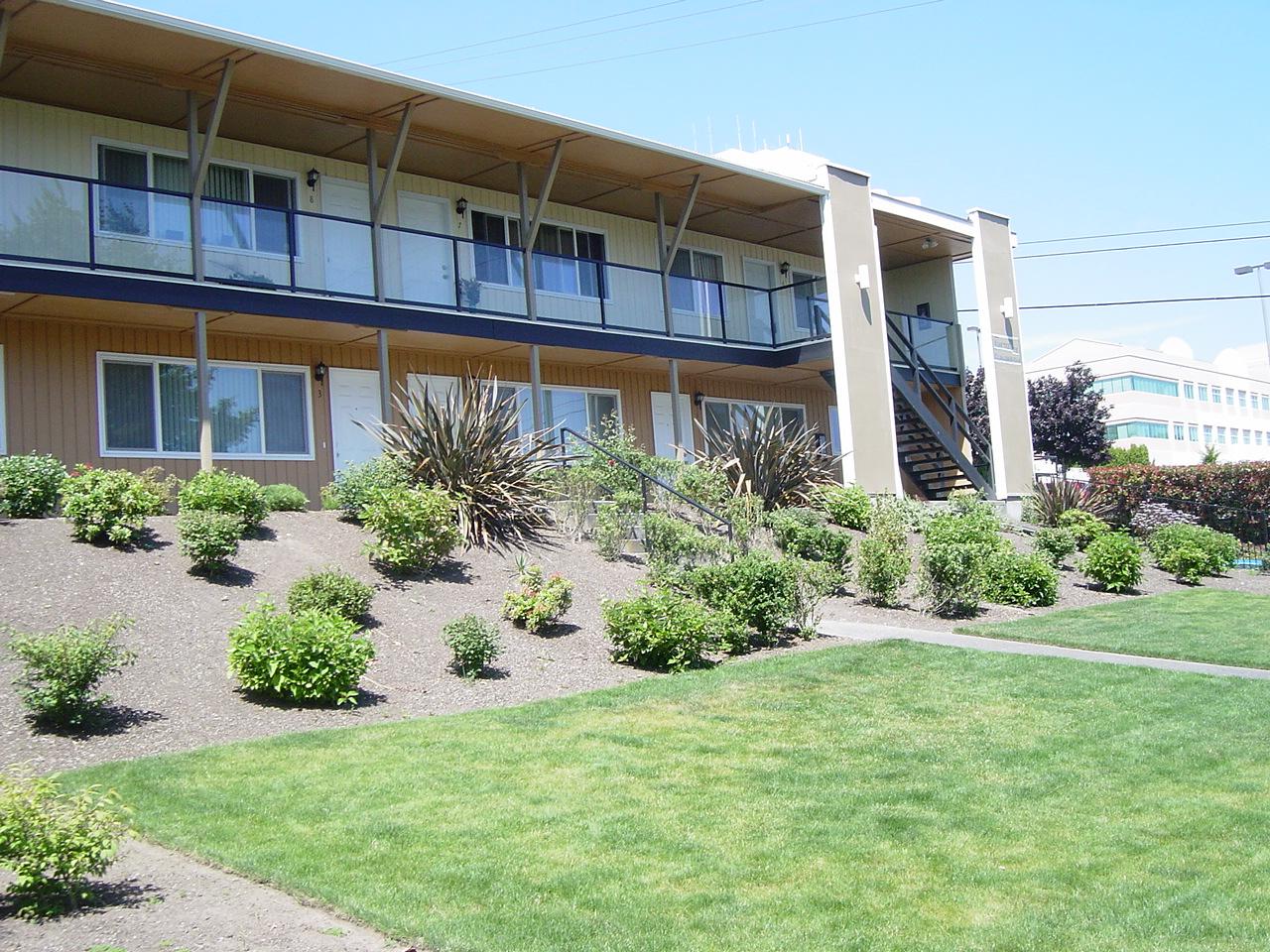
Image: “File:A Condominium Building in Tacoma.jpg” by Jacob Rose is licensed under CC BY-SA 4.0. To view a copy of this license, visit https://creativecommons.org/licenses/by-sa/4.0/.