A Neighbour’s Tree Had Shaded Cars on Their Street for More Than 25 Years. The New Owners Cut Down The Tree, Then Started Parking Under Someone Else’s Tree
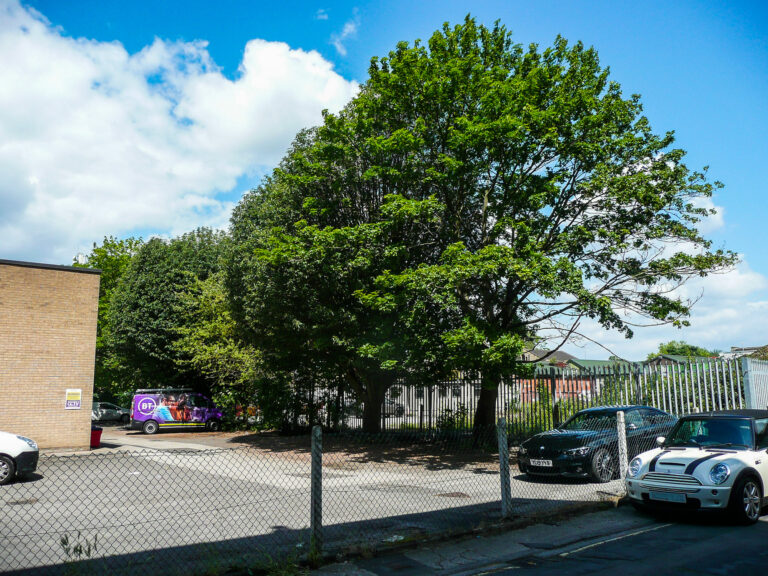
For more than 25 years, a tree in front of the house next door kept the cars parked on one suburban street out of the sun. Then the house changed hands. The new household, six people with four vehicles, took the tree down near the end of fall.
By late June, according to a homeowner on the same street, they had found a new patch of shade: the one under his tree. His account of what happened next was written up by Homedit on Nov. 21.
A Note on the Windshield
The previous owner of the house next door had lived there about 40 years, Homedit reported, and the tree in front had shaded parked cars for well over two decades. After the new family removed it, the homeowner, who works in construction, watched them park in the shade of his own tree for about two weeks.
Then he left an unsigned note. In five words, it told them to plant a tree of their own if they wanted shade.
The reply came back just as short. The neighbors pointed out that it is a public street, and said they would park wherever they liked.
Legal, but Not Very Neighborly
Readers who weighed in on the original post largely agreed with the neighbors on the legal question. One commenter quoted by Homedit called the parking “rude, but not illegal.”
The homeowner came around to that view too. After a commenter suggested he should simply have knocked on the door and talked to the family, he conceded that the note had been a mistake and that a conversation would have been the better move.
He never said whether the family had permission to cut their tree down, and the post did not say how the standoff ended. As far as anyone knows, the cars are still parked in his shade.
Why a Single Tree Matters on a Hot Street
The fight was over parking, but the thing at the center of it was shade, and federal agencies treat that as more than a comfort. The U.S. Environmental Protection Agency says trees and vegetation “lower surface and air temperatures by providing shade and cooling through evapotranspiration.” The agency cites one review of 308 studies that found urban forests were, on average, 3.0 degrees Fahrenheit cooler than urban areas without green space.
The EPA’s guide to using trees and vegetation to reduce heat islands calls planting “a simple and effective way” to cool neighborhoods. The U.S. Forest Service says urban forests “help to filter air and water, control storm water, conserve energy, and provide animal habitat and shade.”
A mature tree that took decades to grow can come down in an afternoon. A replacement planted this winter would take years to throw the kind of shade the old one did.
Cutting a Tree Near the Street Can Take a Permit
Whether a homeowner can remove a tree near the curb depends on where they live. Many cities regulate trees in the planting strip between the sidewalk and the street. Homedit pointed to Portland, Oregon, as one example, reporting civil penalties of up to $1,000 a day there, with each tree a separate violation, and a 2026 restoration fee of $472 per inch of trunk diameter.
Portland’s tree permits page tells residents to check whether they need a permit before doing tree work and walks them through the application. The homeowner in this story did not say what city he lives in, so it is not clear whether any permit rule applied.
Trees between neighbors are a steady source of disputes, from a new neighbor who wants a decades-old oak cut down because of the leaves in her pool to a homeowner who billed his neighbor for falling oak leaves. This one runs the other way. The neighbors got rid of their tree and then wanted the shade it used to give.
This article was produced with AI assistance and edited for accuracy against the sources linked above.