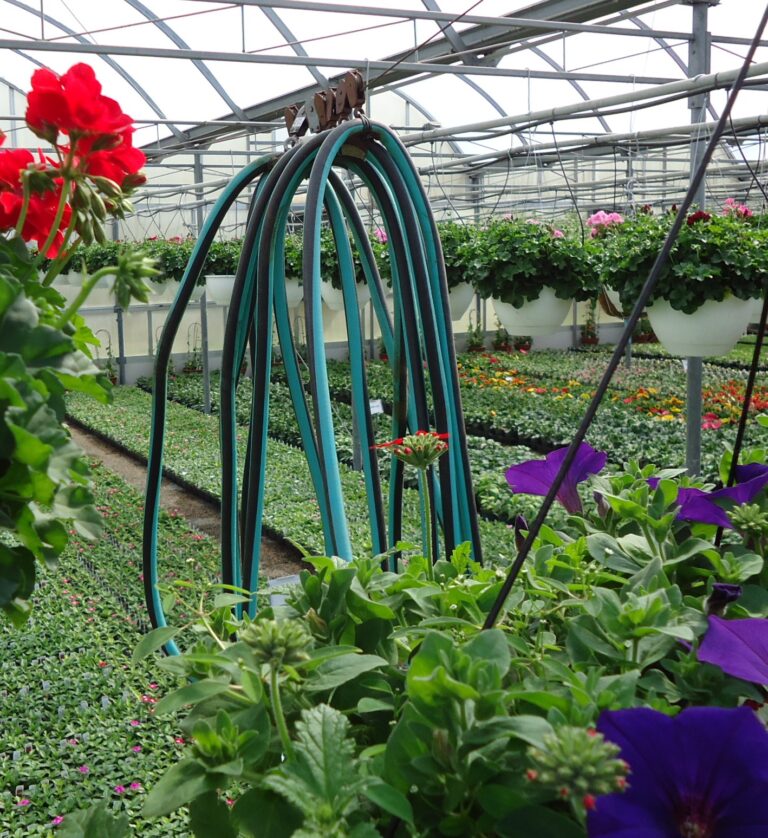
A coiled garden watering hose

Six Hours Below Freezing Can Turn the Water in a Garden Hose Solid, So Plumbers Say to Disconnect Hoses Before the Forecast Hits 32 Degrees

Water in a garden hose and spigot can freeze in as little as six hours. Plumbers and extension experts say to disconnect and drain hoses before 32 degrees.

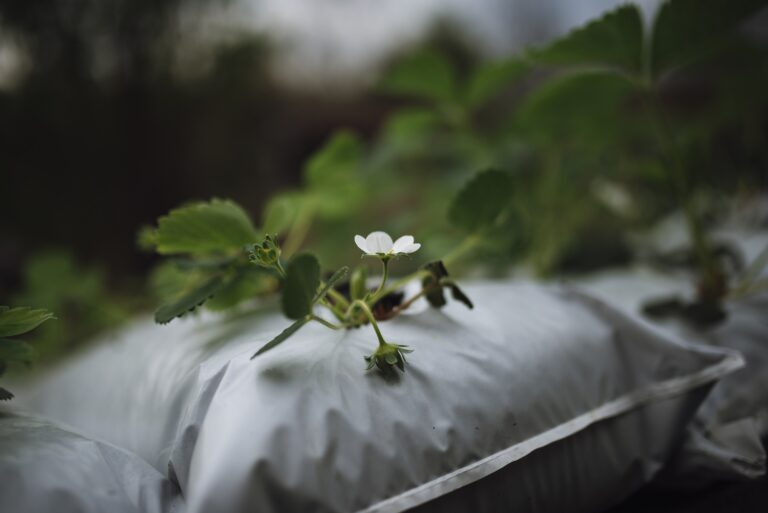
A strawberry plant with green leaves and a small white flower growing in a garden bed

Strawberry Beds Need 3 to 5 Inches of Straw Before Nights Drop Below 20 Degrees, or the Crowns and Next Year’s Flower Buds Can Die, Iowa State Says

Iowa State says strawberry beds need 3 to 5 inches of straw before temperatures fall below 20 degrees, or flower buds can die and crowns can be injured.

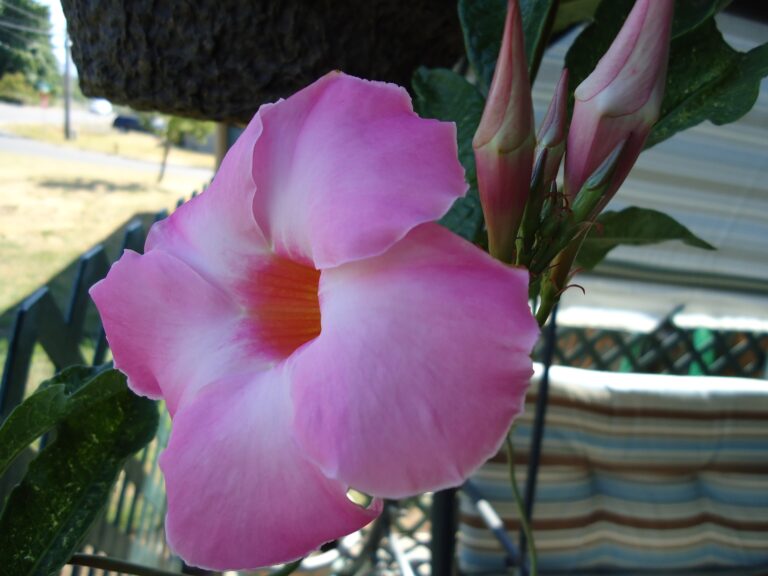
Pink mandevilla flowers on a vine

Mandevilla, Hibiscus and Angel’s Trumpet Struggle Once Nights Dip Into the Low 40s, So a Penn State Master Gardener Cuts Them Back and Brings Them In

Penn State Extension says tropicals struggle once nights reach the low 40s. How to cut back mandevilla, hibiscus and angel’s trumpet and keep them until spring.

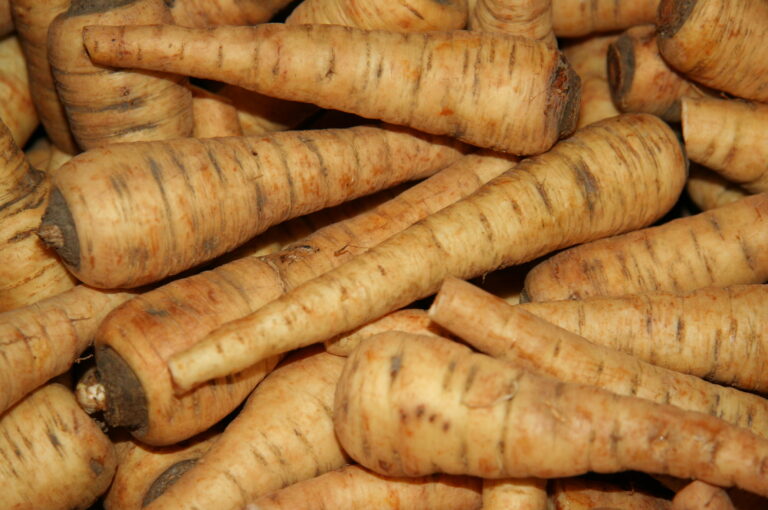
A pile of long, pale parsnip roots

Parsnips Left in the Ground Grow Sweeter as the Soil Turns Cold, and Iowa State Says to Dig the 10- to 12-Inch Roots in Spring Before They Flower

Iowa State says parsnips left in cold soil grow sweeter over winter. Dig the 10- to 12-inch roots in early spring, before the plants send up a flower stalk.

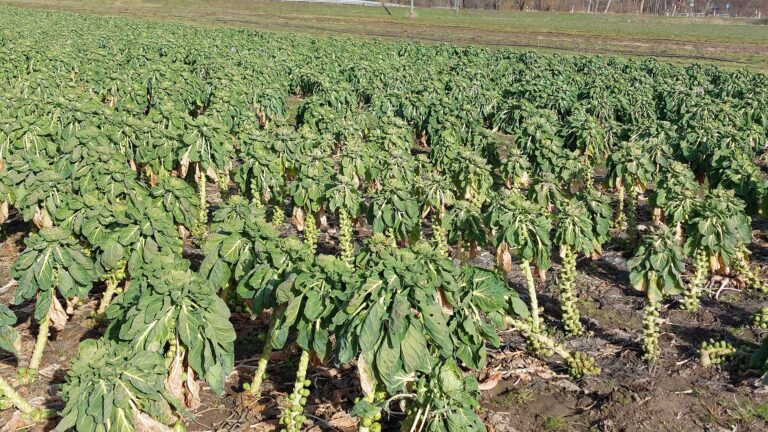
Brussels sprout plants in a garden covered with frost after a hard freeze

Brussels Sprouts Can Stay in the Garden Until Temperatures Fall to 20 Degrees, and NDSU Extension Says Frost Makes Them Sweeter

NDSU Extension says Brussels sprouts can stay in the garden while temperatures stay above 20 degrees, and frost turns their starch to sugar for sweeter sprouts.

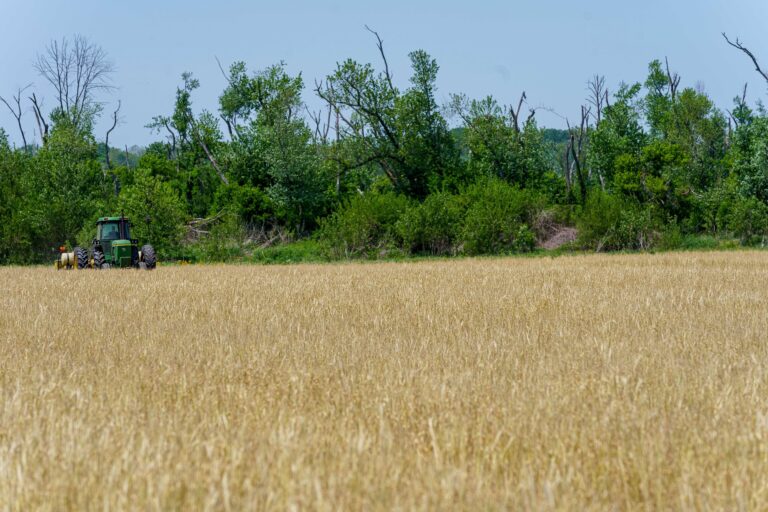
Field corn being planted into a green stand of cereal rye cover crop in Indiana

Cereal Rye Sown After Its Four-Week Window Gave 57% Less Ground Cover in a UVM Study, a Warning for Gardeners Seeding Cover Crops in November

Cereal rye sown after its four-week window gave 57% less ground cover and 44% less biomass in a Northeast study, a caution for November cover crop seeding.