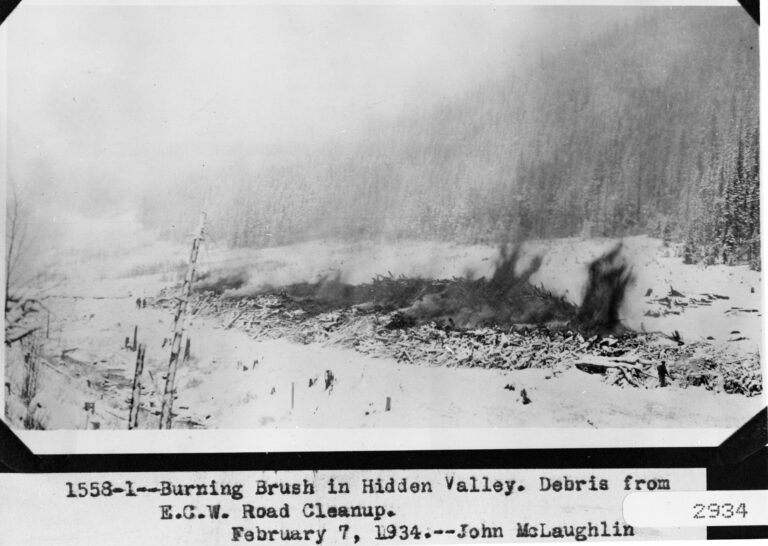
A pile of brush burning outdoors with smoke rising

Delaware Lets Homeowners Burn Up to 27 Cubic Feet of Branches From Oct. 1 to April 30, but DNREC Says Raked Leaves Can Never Go in the Fire

Delaware homeowners may burn up to 27 cubic feet of branches from Oct. 1 to April 30, 8 a.m. to 4 p.m., but leaves can never be burned. Fines run $100 to $500.

Close view of green lawn grass

New York Law Keeps Lawn Fertilizer Off the Grass From Dec. 1 to April 1, and Suffolk County’s Own Cutoff Already Arrived on Nov. 1

New York bars lawn fertilizer from Dec. 1 to April 1, while Suffolk County’s ban began Nov. 1. Fines, phosphorus limits and the 20-foot water setback explained.

Lawn grass in seed beside a road in Ewing Township, Mercer County, New Jersey

New Jersey Homeowners Have to Put the Lawn Fertilizer Away on Nov. 15, and the State’s Blackout Keeps It Off the Grass Until March 1

New Jersey homeowners cannot fertilize lawns from Nov. 15 to March 1. What the blackout allows, what it bans and the year-round limits on nitrogen and phosphorus.

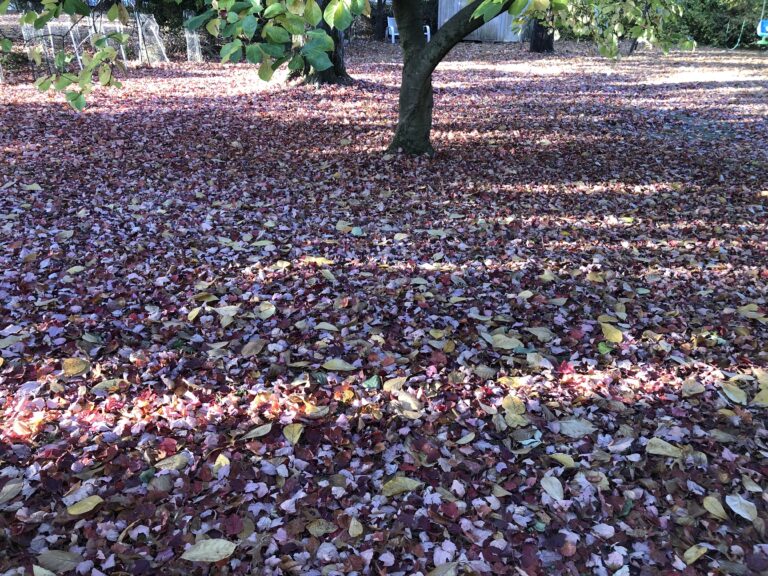
Fallen red maple and magnolia leaves on a lawn in autumn (file photo)

Twin Cities Homeowners Haven’t Been Allowed to Put Yard Waste in the Trash Since Jan. 1, 1990, Under a Minnesota Law Extended Statewide in 1992

Minnesota Statutes 115A.931 bars yard waste from the trash, since 1990 in the metro area and 1992 statewide. Where leaves go and when to mulch instead.

Fallen red maple leaves covering a residential lawn in autumn (file photo)

Leaves and Yard Waste Can’t Go Out With the Trash in Massachusetts, Where MassDEP Keeps Them on Its List of Materials Banned From Disposal

Leaves and yard waste are on MassDEP’s list of banned disposal materials. What counts, how to mulch or compost leaves, and why dumping and burning are out.

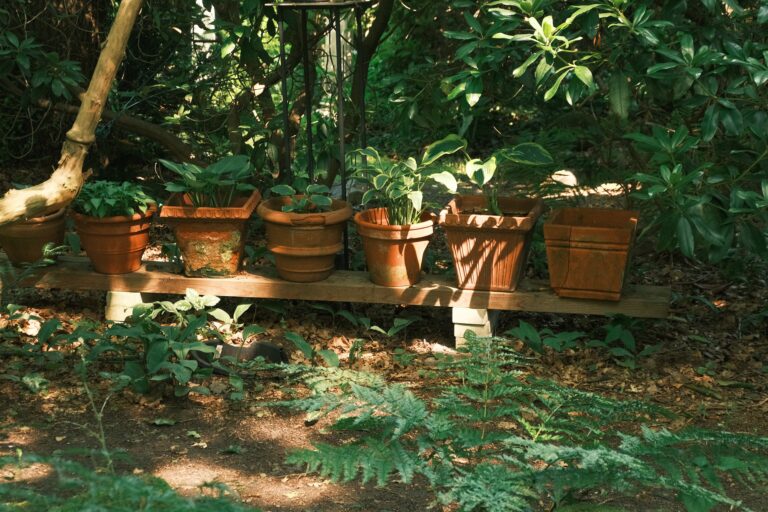
Unglazed terra-cotta flower pots grouped together

Unglazed Terra-Cotta Pots Crack When Soaked Clay Freezes, So Country Living Says to Raise Them Off the Ground and Choose Plants Rated Two Zones Colder

Unglazed terra-cotta soaks up water and cracks when it freezes. Country Living, HGTV and extension experts explain how to raise, cover and store clay pots.

Large green leaves of a Colocasia elephant ear plant

Elephant Ear Tubers Dug After the First Frost Need 1 to 2 Weeks of Drying, Then a Winter Spot at 70 to 75 Degrees, Iowa State Says

Iowa State says to dig elephant ears after the first frost, dry the tubers 1 to 2 weeks and store them at 70 to 75 degrees, far warmer than most tender bulbs.

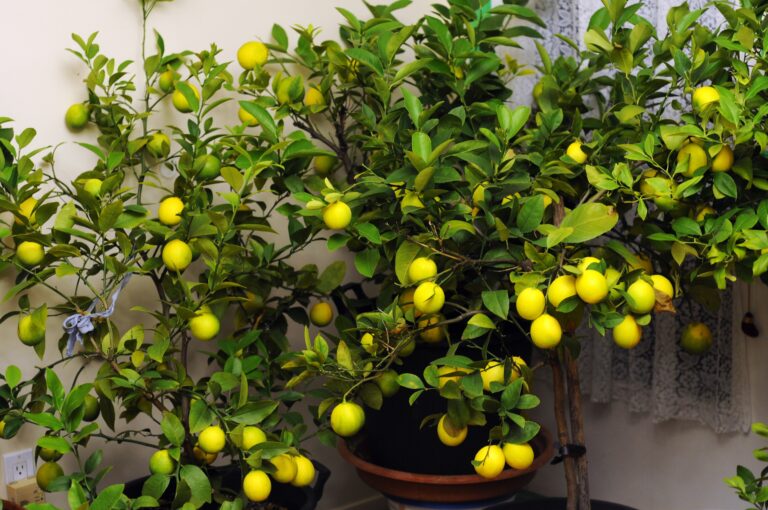
A potted Meyer lemon tree with ripening lemons growing indoors in winter

Potted Lemon and Other Citrus Trees Should Come Indoors Once Nights Drop Below 45 Degrees, Since 29 Degrees for 30 Minutes Can Damage Them

Potted lemons and other citrus should come inside when nights drop below 45 degrees, since 29 degrees for 30 minutes can damage most citrus trees.